Big-Picture Questions, Part 2
Magic Lead Designer Mark Rosewater completes his two-part mailbag series on general game design philosophy. He explains why enchantment creatures differ from artifact creatures, updates players on the future of battles, addresses color balance, and details why tokens appear so frequently.

- Mark Rosewater answers player mailbag questions about overarching game concepts and set development.
- Battle cards are planned to return in future sets after initial release in March of 2023.
- Enchantment creatures took 27 years to become fully integrated standard vanilla designs.
- Token generators have increased due to set skeleton optimization and player demand.
Enchantment Creatures and Battles
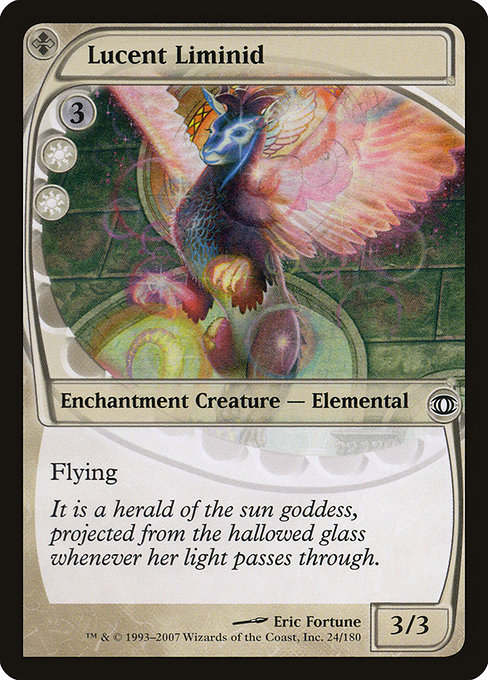
The decision to make artifact creatures evergreen from the very beginning traces back to the initial set release. Artifact creatures gave every color access to neutral options, whereas enchantment creatures took much longer to develop. The very first enchantment creature, Lucent Liminid, appeared in Future Sight as a futureshifted card. It took many years until Theros Beyond Death for design teams to fully embrace enchantment creatures as standard designs without needing intricate mechanical justifications every single time.
Battles represent a newer design space that introduced fresh rules to the game. Following their debut in March of Machine, design teams waited to monitor player reaction before adding them to new sets. Because sets are designed three years in advance, bringing them back takes time, but battles are considered deciduous and will appear in future releases when sets organically call for them.
Color Perception and Game Granularity
Players often express concern that white receives weaker cards within five-card color cycles. This experience is largely driven by confirmation bias and the Baader-Meinhof phenomenon, where players notice bad cards in their favorite color while overlooking strong ones. R&D designs balanced cycles across all colors over time, ensuring every color gets powerful staples.
Regarding combat stats, lower single-digit numbers keep combat clear and quick to calculate. Increasing power and toughness values to higher numbers would add unnecessary mental processing without offering enough gameplay benefit to justify the change.
Tokens, Upkeeps, and Set Structure
The prevalence of token creators in modern Magic sets is the result of multiple factors. Player feedback consistently shows high enthusiasm for tokens, and placing physical token cards directly inside booster packs solved initial playability issues. Tokens also help developers tune Limited environments, allowing spells-matter releases like Strixhaven: School of Mages to include plenty of instant and sorcery spells while keeping creature counts high.
The structure of the turn places the upkeep step before the draw step due to early flavor choices surrounding resource upkeep costs. While modern design rarely prints mandatory upkeep costs, the order remains unchanged due to systemic game history. Finally, lands remain distinctly play-restricted rather than cast as spells to preserve the fundamental resource economy that balances every match.