How to Design Sets for Expansive Properties
Wizards of the Coast breaks down how design teams select, prioritize, and translate massive entertainment franchises into cohesive Magic: The Gathering releases. The deep dive uses the Star Trek set to demonstrate how mechanics and source material align.
- Explores design methodologies behind Universes Beyond sets featuring massive pop-culture franchises.
- Details early development planning timelines extending three to four years before public release.
- Highlights structural tools like whiteboards, sticker votes, and knowledge pyramids for content selection.
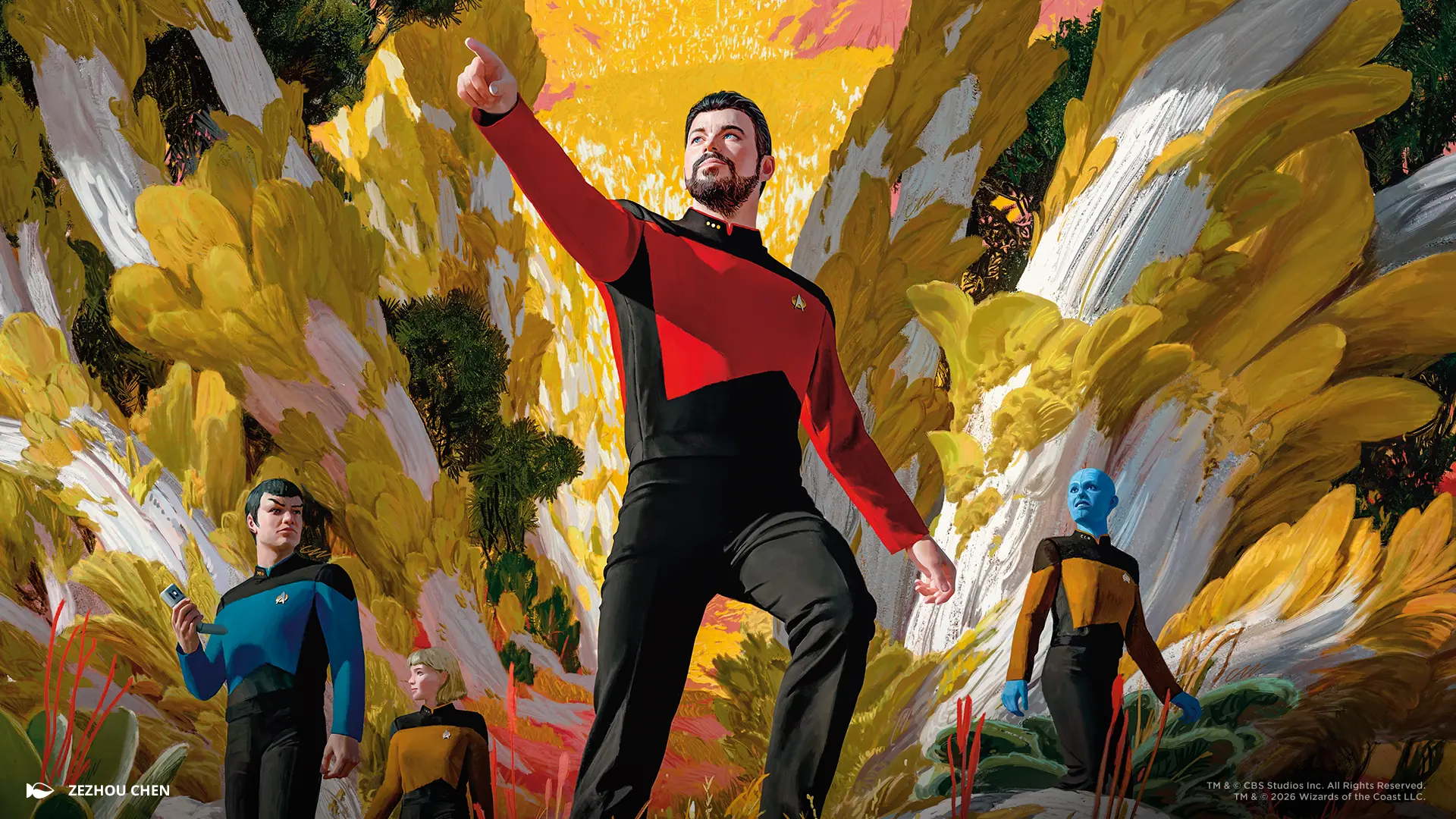
- Previews Spock, Science Officer from the upcoming Magic: The Gathering | Star Trek expansion.
Designing Worlds Versus Adapting Franchises
Constructing a standard set within the Magic multiverse relies on building a world tailored strictly to set mechanics. Design teams establish a creature grid for each color to ensure proper game balance, intentionally crafting just enough worldbuilding lore - roughly ten percent extra - to fulfill card concepts, flavor text, and card names without wasting design resources.
Adapting expansive third-party franchises for Universes Beyond requires the inverse approach. Rather than creating a world to fit set needs, developers must filter vast existing universes down to set scale. When adapting a property spanning decades of television shows, movies, and spin-offs, designers cannot guarantee every structural slot fits neatly into traditional color roles.
The Internal Process for Broad Material
Product planning begins years in advance, starting with business analysis of target properties followed by R&D evaluations. Properties are sorted into categories based on mechanical suitability, with emphasis on resolving traditional shortfalls like an absence of flying creatures. Once partnerships are established, design leads and subject-matter experts host collaborative brainstorming sessions.
Design teams utilize interactive whiteboard exercises to inventory defining themes, characters, objects, and iconic scenes. Teams then run prioritized voting systems, using weighted votes from experts to isolate top entries across distinct eras and sub-series. These concepts are subsequently organized into a structured pyramid dividing mainstream references, core fan favorites, and obscure lore.
Translating Pop Culture into Card Designs
To build the set skeleton, vision designers cross-reference fan data and licensor insights against structural draft needs. Key figures receive prioritized card slots, ensuring iconic legends appear across multiple rarities or color combinations to satisfy both casual players and dedicated lore enthusiasts.
As showcased in the preview card Spock, Science Officer, iconic characters receive mechanics matching their narrative identity. Legendary creatures like James T. Kirk, Jean-Luc Picard, and Spock, Science Officer are crafted to reflect their recognized traits while providing clear directions for build-around Commander decks and limited archetypes.