
Lessons Learned, Part 9
Head Magic designer Mark Rosewater shares key takeaways from leading the vision design of two recent releases. He explores how forcing a preferred theme disrupted one set and how focusing on story over worldbuilding impacted another.
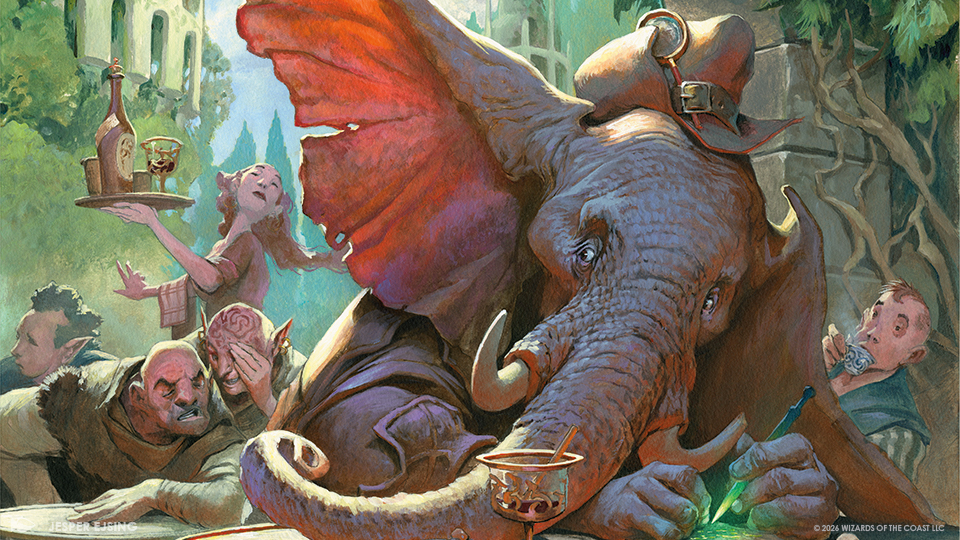
- Mark Rosewater reflects on designing The Lost Caverns of Ixalan and Murders at Karlov Manor.
- The Lost Caverns of Ixalan abandoned its intended color-matters theme after severe playtest feedback.
- Murders at Karlov Manor shifted to Ravnica mid-design to give its detective story established characters.
- Key mechanics discussed include craft, investigate, disguise, cloak, Cases, and collect evidence.
Ixalan and the Colors-Matter Trap
Designing an underground expansion was a long-held goal for the Magic team, and vision design initially framed the concept as an adventure-driven world centered on resource gathering. Mark Rosewater saw this subterranean setting as the ideal vehicle to revive a mechanic he had championed for years: caring about colors. Inspired by mechanics like hybrid mana from the Shadowmoor block, the team built a framework where players harvested color-specific mana tokens modeled directly after the classic Moxen.
However, this focus quickly derailed. The initial iteration featured color-restricted treasure tokens representing pearls, sapphires, jets, rubies, and emeralds, alongside mechanics like illuminate. During feedback rounds, playtesters voiced strong concerns. Having five distinct resource tokens made board states confusing, and players relied on the tokens for mana rather than using them to craft items.
Attempting to fix the problem by replacing the tokens with graveyard-exiling counters ultimately proved that forcing a colors-matter subtheme was harming the environment. When the setting was officially moved to Ixalan, the design team pivoted. They replaced color-centric requirements with card-type restrictions for craft and brought back staple Ixalan features like explore and Dinosaur synergies.
Solving Mysteries on Ravnica
Murders at Karlov Manor faced a different structural challenge during its inception. Co-led by Rosewater and puzzle architect Mark Gottlieb, the set was conceived as a top-down murder mystery packed with puzzles. To capture the tropes of detective fiction, the designers brought back the investigate mechanic originally introduced in Shadows over Innistrad and revamped morph into disguise, giving face-down creatures ward to make turning them face up far more viable.
Midway through design, the set relocated to the city-plane of Ravnica. A mystery narrative relies heavily on established stakes, and setting the story on a familiar plane gave the murder plot emotional weight. The designers added the Detective creature type, introduced Cases as quest-like enchantments, created the suspect state, and built collect evidence to convert the graveyard into an investigative resource.
Despite these mechanical additions, the set struggled because murder mystery is a narrative plot trope rather than a physical location. In hindsight, the design team recognized that leaning too hard into genre tropes diluted the worldbuilding. Rosewater noted that future iterations would benefit from scaling back over-specific mechanics like cloak and suspect, preserving clean cards like Cases, and anchoring the set with deeper faction loyalty to Ravnica.