My Early Magic Years, Part 1
Magic: The Gathering head designer Mark Rosewater shares the first part of his journey joining Wizards of the Coast. He reflects on discovering the game in 1993, transitioning from freelancing to R&D, and pitching his first design lead role.

- Mark Rosewater discovered Magic in August 1993 while working at a California game store.
- Rosewater created the Magic: The Puzzling column for The Duelist magazine in 1994.
- Rosewater joined Wizards of the Coast full-time in October 1995 alongside Bill Rose and William Jockusch.
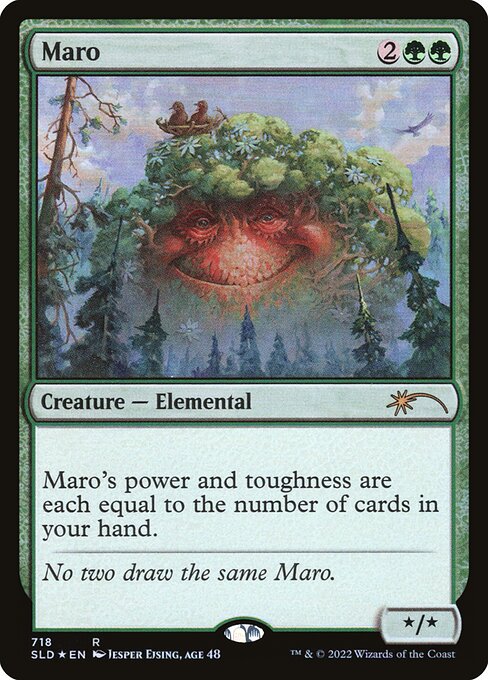
- Rosewater pitched Maro to fill a green rare slot during Mirage development.
From Game Store to Content Creator
Mark Rosewater first learned about Magic: The Gathering in August 1993 while working part-time at a local Southern California store called The Game Keeper. Struggling to land staff writing jobs in television, he became fascinated by customer inquiries about the mysterious new card game. After tracking down packs of Limited Edition (Alpha) later that month, he was instantly hooked and immersed himself in the fledgling community.
Combining his writing background with a personal passion for game design, Rosewater began contributing to early online Usenet discussions. In 1994, he created the popular Magic: The Puzzling feature for The Duelist magazine after pitching the concept to staff. His extensive freelance contributions to the publication eventually led to networking opportunities with key early figures like Richard Garfield and R&D executives.
Joining R&D and Early Development
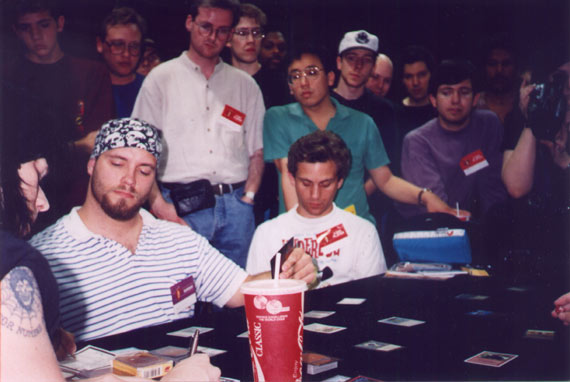
In October 1995, Rosewater moved to Seattle to accept a full-time position in Wizards of the Coast's R&D department alongside fellow new hires Bill Rose and William Jockusch. The team was tasked with developing upcoming card sets during a period of rapid company growth and structural changes. Soon after starting, the group contributed to finishing Alliances following a long design gap after Homelands.
The new developers were subsequently handed full responsibility for Mirage, a set originally designed by an outside playtest group known as the Bridge Club. Though hired as a developer, Rosewater actively looked for opportunities to showcase his design talents. When a green rare slot opened up during development, he pitched a self-designed card that was eventually printed as Maro, named after his internal email handle.
Forming the First In-House Design Team
Eager to shift from card development to lead design, Rosewater capitalized on a casual conversation with Richard Garfield, who expressed interest in creating new card concepts without the stress of managing a full project. Rosewater recognized an opportunity to bring expansion design completely in-house rather than relying on external freelancer groups. He proposed leading a new internal design team with Garfield serving as a member.
After securing approval from leadership, Rosewater formed the design group for Tempest alongside Garfield, Charlie Catino, and Mike Elliott. The set's critical and commercial success established Rosewater and Elliott as core designers for the game. During this era, Rosewater also helped recruit competitive player Henry Stern to join R&D, expanding the internal team's development capabilities as card production accelerated.