My Early Magic Years, Part 2
Magic head designer Mark Rosewater shares the second chapter of his career history, explaining how R&D shifted to thematic block designs and innovated classic mechanics. Readers will gain insight into the creation of multicolor sets, split cards, morph, and the lessons learned from powerful set design failures.
- Bill Rose shifted Magic design toward block-wide themes starting with Invasion.
- Mark Rosewater helped champion split cards, morph, returning mechanics, and the color pie.
- The Onslaught block established typal design and brought back the cycling mechanic.
- Overpowered mechanics in Mirrodin led to massive bans and reshaped R&D management.
A Shift Toward Block Themes
Following the broken cards in the Urza's Saga block and the subsequent power reduction in the Mercadian Masques block, Magic needed a definitive success. Lead designer Bill Rose envisioned a new era of set design where an entire block was unified by a single overarching concept rather than just a pair of mechanics. Because previous sets held back entirely on multicolor cards, the Invasion block was created to fill that void and mark Magic's first true multicolor-themed release.
To ensure the set's success, Rose assembled a core design team consisting of himself, Mike Elliott, and Mark Rosewater. They drew inspiration from an unreleased set called Spectral Chaos, adapting its focus on five-color play into the domain mechanic. Around this time, Rosewater established his core responsibilities in R&D: defining and enforcing the mechanical boundaries of the color pie, maintaining block-wide structural consistency, and pushing for innovative design concepts.
Innovating Cards and Graveyard Mechanics
Rosewater's drive for innovation heavily influenced the mechanics of the era. Having previously incorporated experimental concepts like full-art lands and giant cards into Unglued, he pushed for split cards - which put two smaller spells on a single card - to be included in Invasion. Despite initial internal resistance, split cards proved to be a massive hit with the player base.
Building on the success of Invasion, Rosewater was given the lead for Odyssey, which focused entirely on graveyard interactions through mechanics like flashback and threshold. When design duties shifted to Elliott for Onslaught, Rosewater stepped in to help refine the set's structure. He expanded a small grouping of shape-shifting creatures into a core typal theme, proving that creature-type synergies could appeal to competitive players if supported with sufficient power.
Refining Mechanics and Managing Power
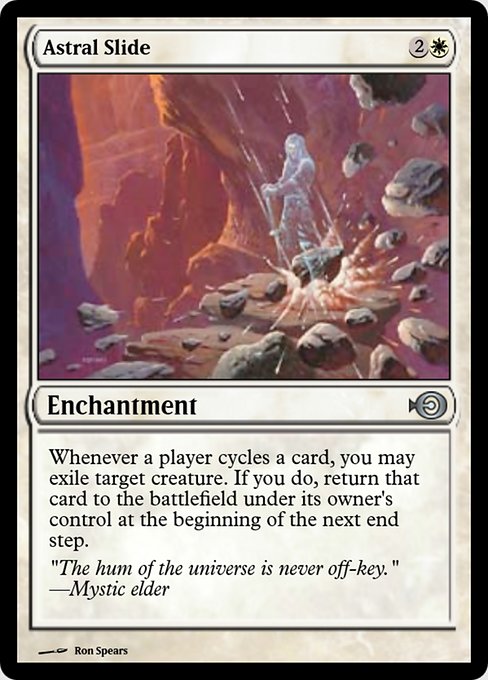
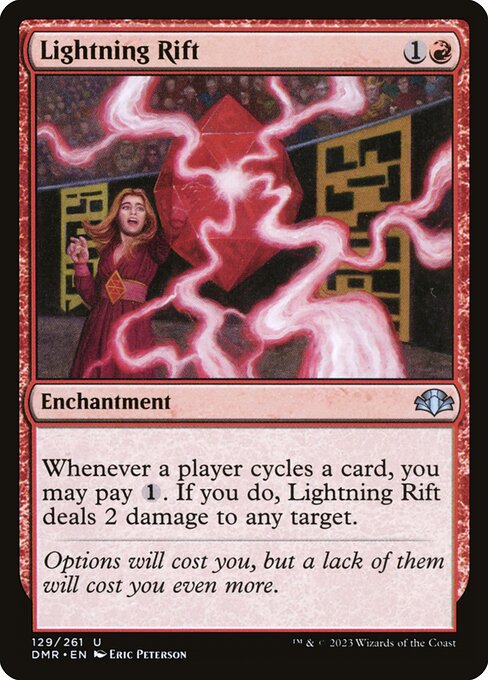
Rosewater also helped solve design challenges in Onslaught by adopting ideas from the Rules team and past sets. He helped refine a face-down creature concept into the morph mechanic, adjusting it to a uniform three-mana entry cost with face-up triggers. Additionally, he convinced R&D to reuse past keyword mechanics for the first time, bringing back cycling and designing build-around cards like Astral Slide and Lightning Rift to support the playstyle.
Rosewater then led design for the Mirrodin block, an artifact-centered world built alongside the Creative team. However, the set suffered from severe balance issues due to the abundance of high-powered colorless cards. Missteps like the artifact lands enabled oppressive strategies alongside affinity for artifacts, leading to a record number of card bans and causing Wizards of the Coast to restructure R&D management.
Lessons from Top-Down Design
Following the balance issues of Mirrodin, the R&D team explored top-down design with the Champions of Kamigawa block, selecting a world inspired by Japanese mythology. Bill Rose mandated that the worldbuilding and flavor precede card design, marking a new approach for the team.
However, R&D struggled with executing flavor-driven mechanics efficiently. The block suffered from overly parasitic mechanics that failed to synergize with existing card pools, highlighting the critical importance of backward compatibility in Magic design.