
Reality Fracture Prerelease Guide
Reality Fracture Prerelease events kick off on September 25, 2026, offering players a first look at a Multiverse-warping set. Learn how to construct a 40-card Sealed deck using the ten featured draft archetypes.
- Prerelease weekend starts on September 25, 2026.
- Global tabletop release date is October 2, 2026.
- Prerelease Packs include six Reality Fracture Play Boosters.
- Features ten unique two-color archetype strategies.
Prepare for the Echoverse
Local game stores are preparing to host Prerelease events starting September 25, 2026, ahead of the global set launch on October 2, 2026. Participants receive a themed Prerelease Pack containing six Play Boosters and a foil promo card to build a 40-card Sealed deck. These casual events provide an approachable setting for players of any experience level to explore the story of Jace Beleren and his altered reality.
To start building a deck, open all six packs and organize the pool by color, setting aside colorless items and lands. The recommended approach is to pick two main colors that feature your highest-quality win conditions and reliable interactive spells. Stretching your deck across three or more colors often leads to mana inconsistency.

Balancing Threats and Removal
Your pool's strong rare and mythic rare cards usually point toward your primary colors. Evasive threats like Sphinx of False Conclusions or impactful planeswalkers such as Chandra, Torch of Defiance demand immediate answers and can single-handedly secure a victory. Pairing these game-ending cards with targeted removal ensures you can survive long enough to execute your strategy.
Interactive spells come in many forms, from raw direct damage to hand disruption like Solve for Disappointment or defensive countermagic such as Countersculpt. Evaluating which colors provide the best balance of evasive creatures and efficient removal will naturally reveal the optimal path for your Sealed deck.
Optimizing Your Mana Curve
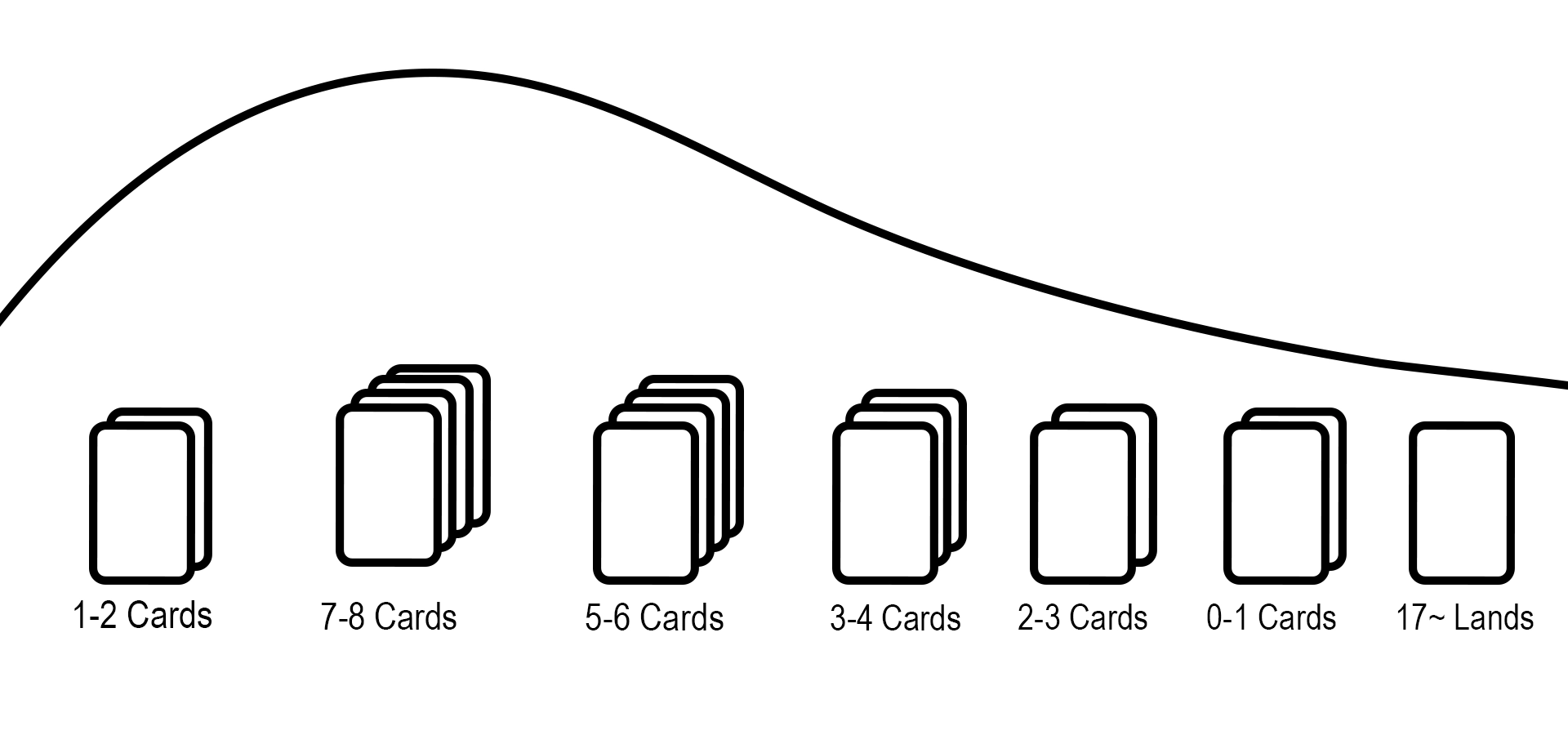
Constructing a functional Sealed deck relies on a stable mana curve to ensure smooth gameplay at every stage. A standard template includes one or two 1-drop spells, seven to eight 2-drops, five to six 3-drops, three to four 4-drops, two to three 5-drops, and at most one spell costing 6 or more mana. You can adjust these ratios depending on whether your card pool leans toward fast aggression or defensive control.
Cards should be evaluated on how well they advance your specific plan rather than raw stats alone. For instance, in an aggressive red-black deck, playing Hallway Heckler directly synergizes with your damage plan far better than a general curve-filler like Skilled Battlecarver.
Ten Archetypes to Guide You
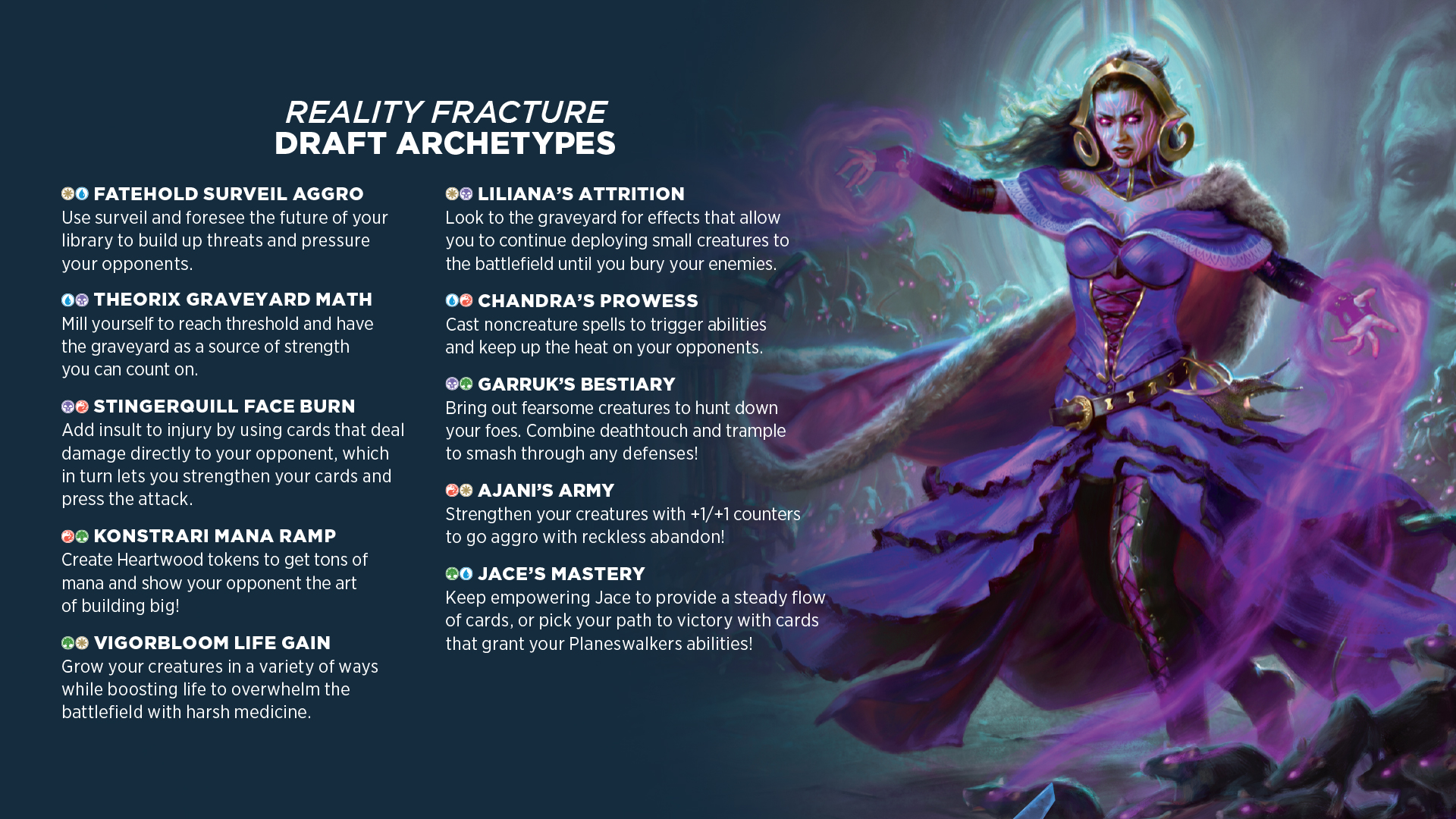
The Limited environment centers around ten distinctly themed color pairs. White-blue focuses on scrying and surveilling with cards like Your Fate Ends Here and Proft, Consulting Detective, while blue-black aims to load the graveyard for bonuses using Theorix Metamage and Winter, Tormented Loner. Black-red utilizes direct damage from Essence Burn and Stingerquill Charm, and red-green accelerates mana via Woodwork Prodigy to deploy large threats like Archive Arbiter.
Green-white relies on healing and +1/+1 counters with Vigorbloom Vanguard and Edgar, Ancient Bloodlord in white-black attrition. Blue-red builds around noncreature triggers via Saheeli, Jewel of Avishkar, black-green generates creature value with Primal Witchstalker, red-white swarms the board using Hexhaven Battalion, and green-blue maximizes synergy around dedicated Jace tokens.


