Reality Fracture Vision Design Handoff, Part 1
Mark Rosewater presents part one of the vision design handoff document for the upcoming capstone set Reality Fracture. He details how the team tackled the set's alternate-reality theme using paired cards featuring alternate versions of iconic characters.
- Mark Rosewater breaks down part one of the Reality Fracture vision design handoff.
- Reality Fracture serves as the climax for the multi-year Multiverse Jace narrative arc.
- The set introduces Hexhaven, an alternate ally-color version of the Strixhaven academy.
- Booster packs feature echoed pairs containing original and alternate-reality character variants.
A Multiverse Story Finale
Every set transition from Vision Design to Set Design involves a comprehensive handoff document outlining a expansion's core mechanics and narrative goals. The development of Reality Fracture marks the climax of the long-running Jace storyline following his Phyrexian transformation. In an attempt to remake the Multiverse without its historical flaws, Jace creates a parallel reality and attempts to overwrite the original, prompting a clash of heroes at an alternate academy known as Hexhaven.
The narrative structure follows the tradition of major event sets like War of the Spark and March of the Machine. However, rather than expanding the scope of the war across countless planes, the design team chose to keep the focus personal. The core emotional drive centers on Jace processing his past trauma, delivering a high-stakes story that stays grounded on a single world.
Exploring What-If Themes
While earlier sets like Planar Chaos explored alternate game rules and color shifts, Reality Fracture turns that focus entirely onto character and creative themes. The primary design challenge was making alternate universe concepts clearly recognizable to all players without requiring decades of lore knowledge. Popular culture frequently relies on evil twins and parallel realities, but card design needed a direct, intuitive way to signal these shifts inside a booster pack.
To ensure the alternate versions were obvious, the vision design team developed a paired booster sheet structure. Rather than relying solely on unique frames or watermarks, packs guarantee that players open paired versions of the same character side by side. For example, opening a classic red version of Chandra next to a blue ice-powered variant immediately signals the alternate-reality concept to anyone opening the pack.
Designing the Echoed Pairs
Executing the paired sheet required strict collation rules so that adjacent cards printed on the sheet ended up in the same booster pack. Originally, the design included common cards with landcycling or channel abilities to help players navigate the legend rule when holding both versions. During set design, these common slots were upgraded to uncommon to increase variance and allow for 86 total paired cards across the set.
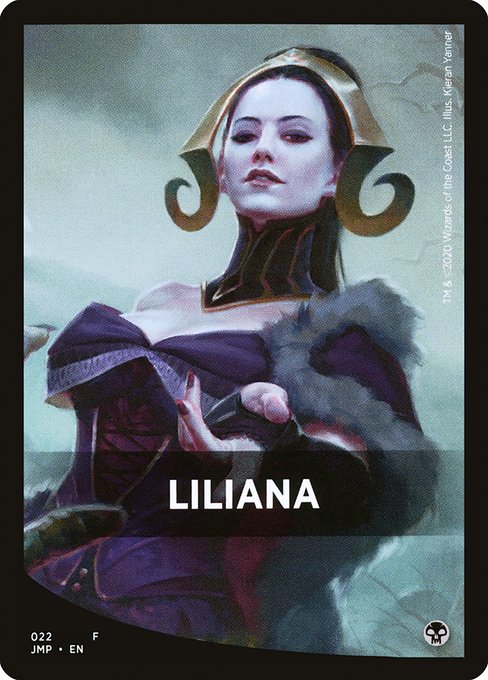
The printed set features uncommon, rare, and mythic rare pairs showcasing shifts for legendary icons. Major characters like Liliana, Vraska, Karn, Samut, Gideon, and Jace appear across the rare sheet, while planeswalker pairs for Ajani, Chandra, and Garruk occupy mythic rare slots. Alternate noncreature enchantments were also added to interact with the set's primary mechanics.
Each echoed pair follows strict design rules: the two cards must be different colors, present a strong thematic contrast, offer distinct playstyles, yet maintain a subtle mechanical connection. Crucially, the cards are designed to fit into different draft archetypes so players do not feel forced to pick both cards during a draft.