Returning to Middle-earth with Universes Beyond
Designing a return to a Universes Beyond setting requires balancing fan-favorite mechanics from past sets with fresh ideas. This article breaks down how the design team adapted Middle-earth lore into game mechanics for Magic: The Gathering | The Hobbit.
- Returns to Universes Beyond settings evaluate past mechanics using Yes, Maybe, and No categories.
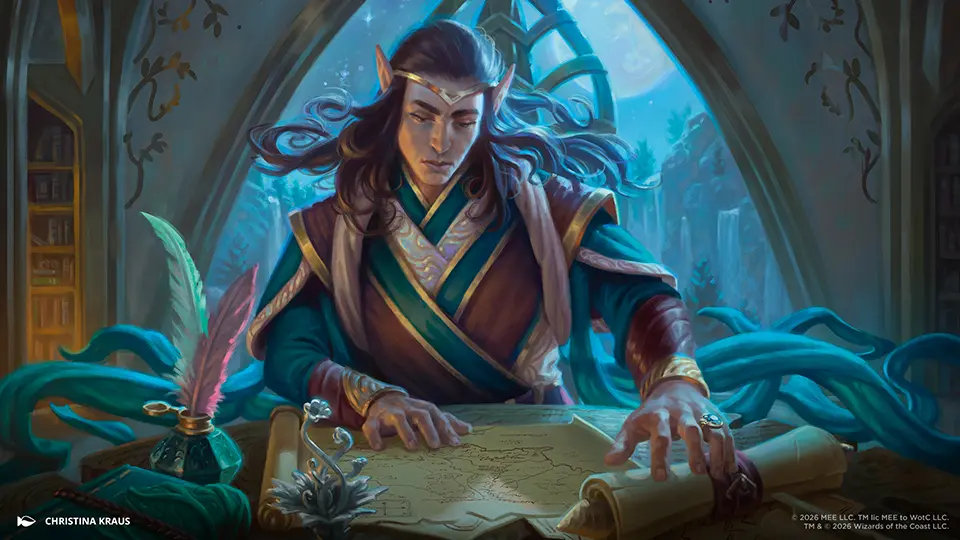
- The Misty Mountains Cold is a new Saga preview card featuring songs from the story.
- The Hobbit introduces the new storied threshold mechanic adapted from historic.
- Amass Goblins and recruit offer go-wide strategies tailored for the set's five-army structure.
Sorting Mechanical Priorities for Returns
When returning to any Magic setting, the design team evaluates past mechanics by sorting them into three distinct categories: must reuse, might reuse, and do not reuse. Iconography and mechanics heavily tied to a plane's identity fall into the first bucket to ensure players feel immediate familiarity. For Magic: The Gathering | The Hobbit, both Sagas and amass fell into this essential category, allowing designers to lean into deep story elements and large creature armies.
Optionally returned mechanics sit in the maybe category, giving designers room to adapt them or try something slightly different. In this set, historic inspired a brand-new threshold mechanic called storied. Storied rewards players for assembling three or more historical cards by giving them an enduring story benefit for the rest of the match.
Finally, mechanics that underperformed or feel flavorfully misplaced are excluded entirely. The Ring tempts you was left behind due to its mechanical complexity and mismatch with the narrative focus of Bilbo's journey, making room for fresh design space.
Expanding Old Themes with New Mechanics
Every set needs new elements to keep the game evolving, often built by expanding on minor themes from previous visits. In Magic: The Gathering | The Hobbit, landfall is given a larger focus within green-blue Elves, while green-black Wolves utilize the ferocious mechanic to reward high-power creatures.
Designers also import established mechanics from outside sets if they fit the flavor of the world. Adventure, which originally debuted in Throne of Eldraine, makes a natural return to depict the story's legendary quest across Middle-earth.
To represent the five distinct armies, designers tweaked existing mechanics to suit specific creature types. Amass returns focusing on Goblins instead of Orcs, while green-white Humans receive recruit. A spin on the connive mechanic from Streets of New Capenna, recruit lets players draw and discard to generate 1/1 white Human Soldier tokens instead of placing +1/+1 counters.
Navigating Locked Universes Beyond Flavor
Unlike standard Magic planes where mechanical needs can shape creative lore, Universes Beyond properties feature pre-established narratives. The design team cannot alter the established worldbuilding, requiring them to search deep within the source material to find elements that solve gameplay challenges.
To highlight the narrative journey, the preview card The Misty Mountains Cold acts as a Saga capturing the songs sung by the characters. Sagas continue to serve as the ideal vehicle for translating key narrative beats and iconic locations directly into gameplay.
