
Slice of Pie
Magic's lead designer takes on a fictional role as manager of the five colors to launch a mock advice column called Slice of Pie. Opposite color pairs answer reader dilemmas to showcase how their unique philosophies approach everyday situations.
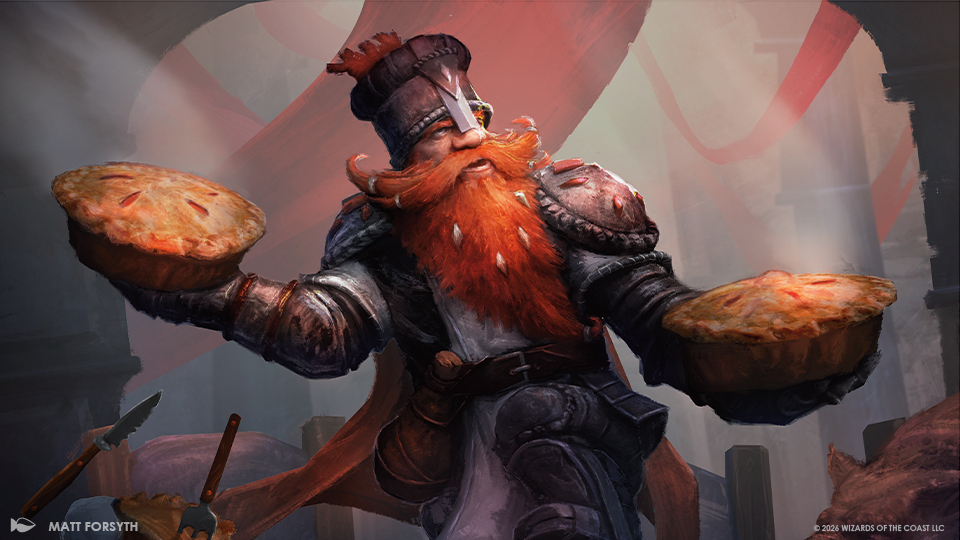
- Magic's lead designer pitches a mock advice column featuring the five colors.
- Opposite color pairings respond to relatable personal dilemmas.
- The responses highlight the philosophical contrasts between enemy color pairs.
- Advice topics range from workplace honesty to handling family traditions.
A Color Pie Advice Column
Magic's head designer often steps outside the realm of game mechanics to explore the philosophical foundations of the game. Acting as a manager for the five colors of Magic, he devised a mock advice column titled Slice of Pie. The concept pairs two opposing colors to provide contrasting perspectives on real-world dilemmas, illustrating how each mana identity approaches life's everyday hurdles.
By examining these relatable situations through the eyes of the color pie, players gain a deeper understanding of enemy color dynamics. Each entry pits two opposing philosophies against one another, showing how their core values shape their advice.
Order, Ambition, and Impulse
When faced with a dishonest coworker, the conflict between White and Black comes into sharp focus. White champions honesty, moral accountability, and open communication to help a friend make things right. Conversely, Black sees the untruth as a prime opportunity for personal leverage and incremental blackmail, prioritizing individual gain over moral duty.
The clash between Red and Blue explores the tension between emotion and intellect. Asked whether someone should confess their feelings to a crush, Red urges immediate, passionate action without worrying about potential downside. Blue instead advises gathering extensive background information, analyzing social media, and researching past relationships before taking a calculated step.
Acceptance, Deception, and Rebellion
Handling professional disappointment highlights the divide between Black and Green. After losing a job to nepotism, Black dismisses dwelling on unfairness and advises shifting focus purely toward self-improvement and future success. Green takes a holistic view, suggesting that events unfold for a natural reason and that individuals should embrace their inherent traits rather than fighting destiny.
Disputes over shared resources showcase the contrast between White and Red. When a neighbor's tree branches cross a property line, White seeks cooperative solutions, compromise, and mutual benefit. Red rejects diplomatic harmony entirely, recommending a deliberate bonfire on the property line to assert personal freedom.
Growth, Pragmatism, and Tradition
Self-image questions bring Green and Blue into opposition. Regarding a drastic hair change, Green encourages embracing natural identity and finding validation in personal uniqueness. Blue views identity as adaptable and supports experimentation, pointing out that hair grows back and trying something new offers valuable personal data.
When navigating strict community rules, Black and White take divergent paths. Facing restrictive neighborhood decoration guidelines, Black suggests leveraging public pressure and media coverage to undermine authority. White emphasizes the importance of community structure, advising the reader to follow established legal processes to request policy updates.
Finally, family traditions highlight the divide between Green and Black. Green advocates preserving long-standing customs and finding compromises that honor heritage. Black takes a ruthless approach to ending unwanted obligations, proposing extreme measures to disrupt unwanted habits.