
The Design of Mood Swings, Part 1
Magic head designer Mark Rosewater shares the first part of his deep dive into the creation of Mood Swings, a new accessible trading card game. The article covers how he trimmed down core game design elements to build a fast, dynamic game loop.
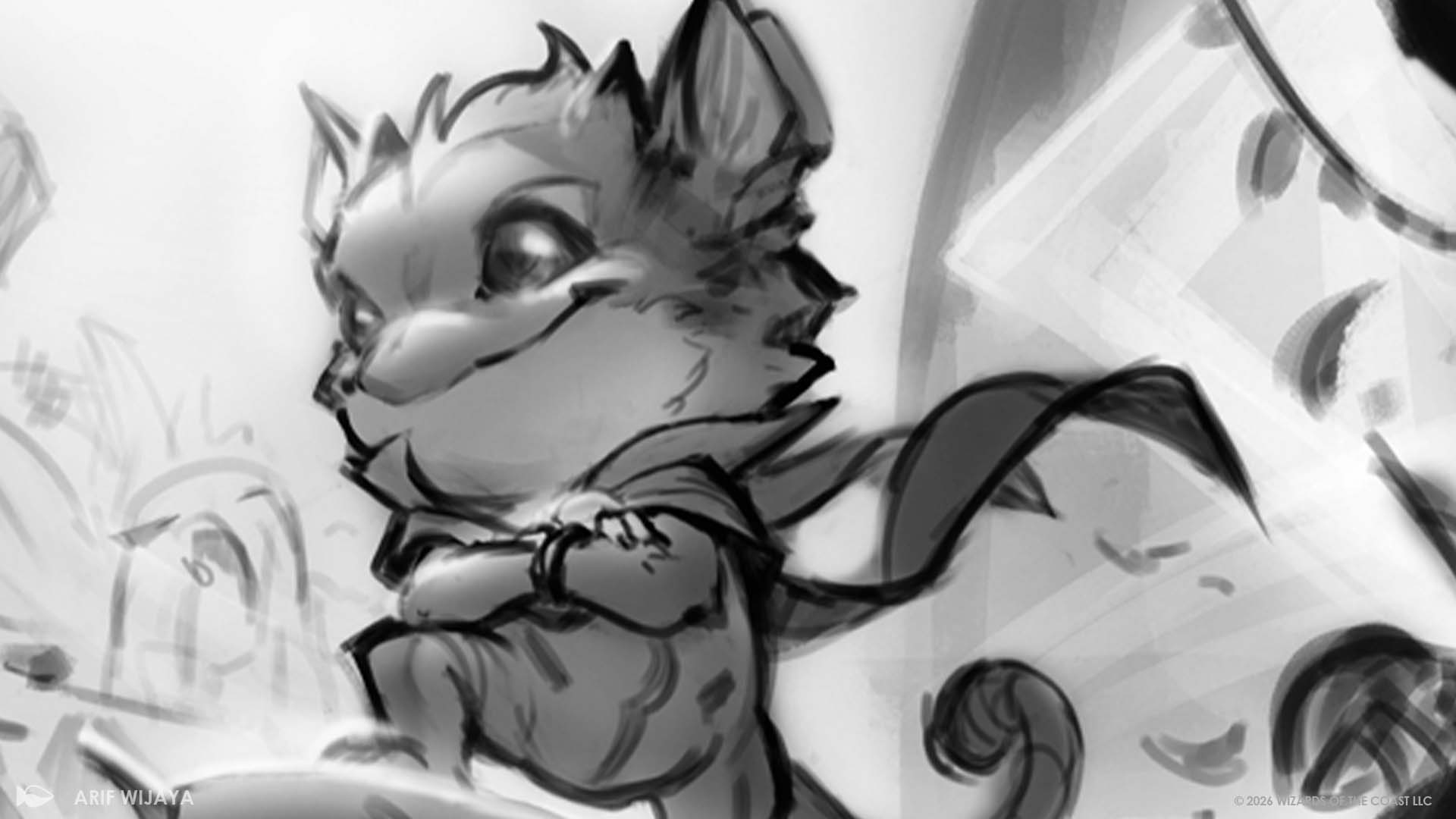
- Mark Rosewater details the design process behind his accessible card game, Mood Swings.
- The core game loop relies on a simple five-turn system without traditional resource costs.
- Mood Swings uses dice-based values from zero to six to streamline point calculations.
- A single-deck format relies on shared access to balance card variance across players.
Defining the Essence of TCGs
Designing a fast and approachable trading card game requires understanding the essential components of the genre. Games in this space rely on open-ended piece interactions, customizable play styles, and mechanisms that allow cards to override fundamental system rules. Collecting, trading, and community building naturally follow when players experience different randomized elements during play.
To make a game accessible, extraneous complexity must be removed. Heavy rulebooks, long match times, and mandatory upfront deck construction create significant barriers for newcomers. By modeling gameplay around a self-contained shared deck - much like a traditional game night box or a Magic cube - players can open a product and jump straight into a match without needing to assemble a deck first.
Establishing the Core Game Loop
The fundamental game loop was kept as minimal as possible: players alternate playing a single card each round, comparing point values to determine who wins the turn. Extending matches across five rounds allowed earlier moves to set up long-term strategies, creating tension between securing current points and investing in future turns.
Removing traditional resource systems entirely eliminated scenarios where players draw unplayable hands. Instead of requiring costs to play basic cards, turn order provided inherent balance. Going second offers a strategic advantage by reacting to the opponent's choice, so round winners are forced to play first on subsequent turns while also taking the advantage in tie-breakers.
Designing Card Values and Effects
Point values on cards were styled after traditional dice pips ranging from one to six, taking advantage of the human brain's ability to process visual patterns quickly. Zero-value cards were introduced for high-impact effects, while standard filler cards without abilities were balanced around a score of four to leave room for weaker impact cards and high-cost power plays.
Card abilities fell into straightforward categories like enter-the-battlefield triggers, passive rule adjustments, and dynamic score modifiers. Mechanical space expanded by allowing extra card plays, hand disruption, and interactive costs like discarding or removing cards from play - similar to sacrifice and self-bounce mechanics in Magic. Balancing these effects across a single shared deck allowed for swingy moments while maintaining overall fairness.