The Design of Mood Swings, Part 2
Mark Rosewater reveals the 28-year design evolution of Mood Swings leading up to its official Secret Lair release. Learn how playtesting and rules adjustments transformed this accessible card game into a polished multiplayer experience.
- Mood Swings evolved across 28 years of design before joining the Secret Lair lineup.
- The game expanded from three to five colors, matching the standard Magic color pie.
- Secret Lair deck sizes were adjusted to 45 cards to accommodate up to four players.
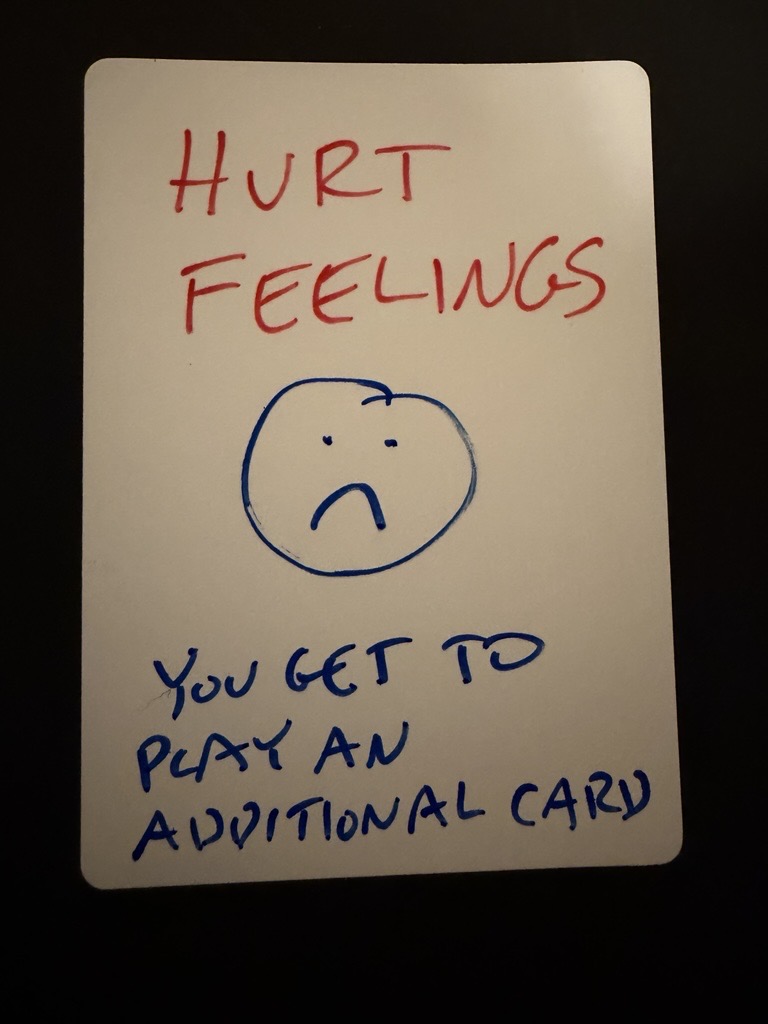
- Rules changes added dynamic catching-up mechanics like Hurt Feelings for multiplayer games.
Refining Mechanics and Visual Tracking
The journey of Mood Swings began as an accessible alternative card game built around variable card values. Early playtesting revealed that tracking complex, constantly shifting card numbers added immense mental strain during play. To resolve this, Mark Rosewater simplified variable scores so that common and uncommon cards only had two fixed states, shifting to higher values under specific board conditions.
Visual tracking was further improved through clever physical design. Cards were built so they could be rotated 180 degrees to display alternate values, with numbers capable of going up to twelve on cards like Love. Dice icons were also color-coded - white for static values and black for dynamic ones - while cards like Imagination gained exclamation marks to denote ongoing effects.
Adopting the Magic Color Palette
As the game grew, it shifted from a three-color model to the standard five-color system found in Magic: The Gathering. Mechanics were aligned around color allegiances and rivalries, using ally colors to help players and enemy colors to hinder opponents. White gained a signature control mechanic called suppressing, featured on cards like Pacifism, which stripped opposing cards down to a score of zero.
Card drawing rules were also overhauled to improve game flow. Players initially drew five cards upfront and gained additional draws upon losing rounds. Later design breakthroughs allowed card filtering by putting a card on the bottom of the deck before drawing a replacement, which added fluid card cycling across ten different slots without increasing total hand sizes.
Optimizing for Secret Lair Multiplayer
When Mood Swings was placed on the Secret Lair schedule, extensive playtesting sparked major design improvements. Wizards of the Coast staff recommended optimizing the game for three and four players. Product architect Zakeel Gordon bumped the box count up to 45 cards so four-player games wouldn't run out of components during play.
Individual cards were reworked specifically for multiplayer dynamics. The card Panic was redesigned from single-target removal to a multi-player bounce effect that wouldn't unfairly punish the player in last place. To help trailing players recover, the team created a dedicated catch-up mechanic called Hurt Feelings, which granted the last-place player extra card plays.
Final Polish and Modern Templating
Working alongside play designer Corey Bowen, costs were rebalanced across the set. High-value cards with drawbacks, such as Neurosis and Self-Loathing, had their scores adjusted upward to reflect their actual power. Restrictive mandatory costs were softened into optional choices, giving players more freedom to cast cards even if they couldn't meet secondary requirements.
The final phase of development involved streamlining card text with editor Michael Zhang. The game's actions were organized into three distinct operational categories: requirements needed before playing a card, triggered abilities occurring after a card was played, and continuous static effects that remained active while the card stayed in play.

