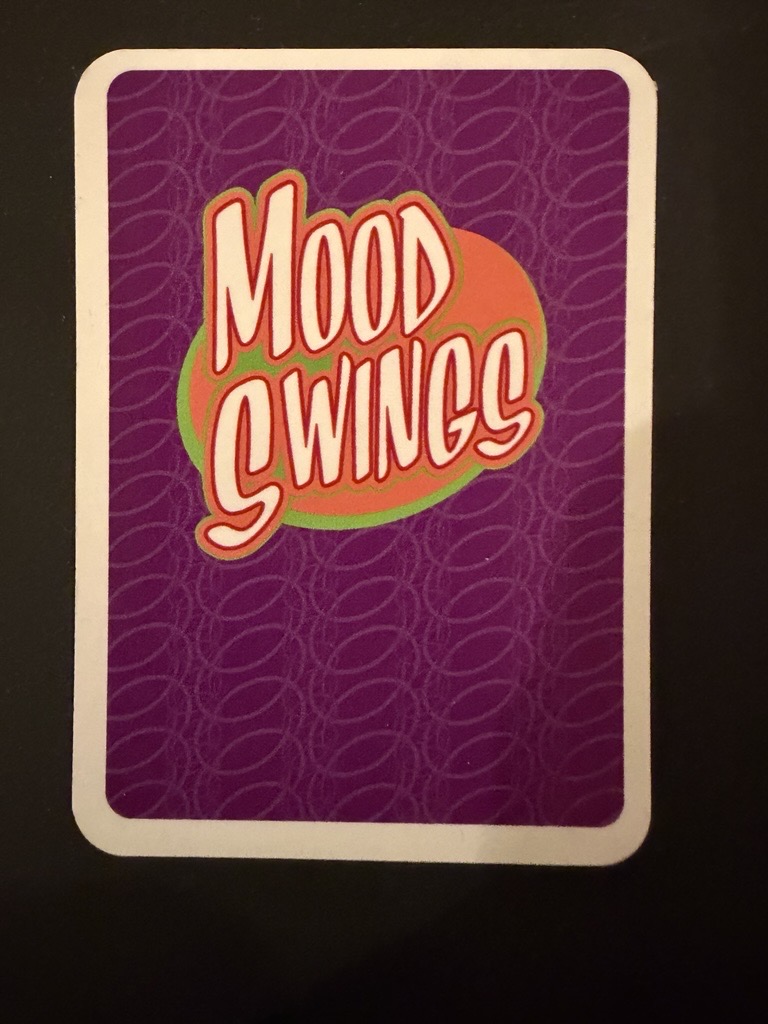
The History of Mood Swings
Mark Rosewater details the 28-year development history of Mood Swings, a casual trading card game releasing under the Secret Lair banner on June 1. He explains how the project evolved from a simple thought exercise on game complexity into a standalone card game.
- Secret Lair releases the new standalone card game Mood Swings on June 1.
- Mark Rosewater first conceptualized Mood Swings back in 1998.
- The game features a 45-card deck designed for two to four players.
- Cards incorporate Magic art, iconic Planeswalkers, and five-color mechanically aligned rules.
Designing a Simpler Card Game
The story of Mood Swings began in 1998 during a internal conversation about game complexity. Mark Rosewater envisioned a game spectrum ranging from intricate, rules-heavy experiences to ultra-simple titles anyone could learn in a single minute. Realizing that most trading card games leaned heavily toward complex rules, he set out to create an entry-level alternative that retained modularity while remaining effortless to pick up.
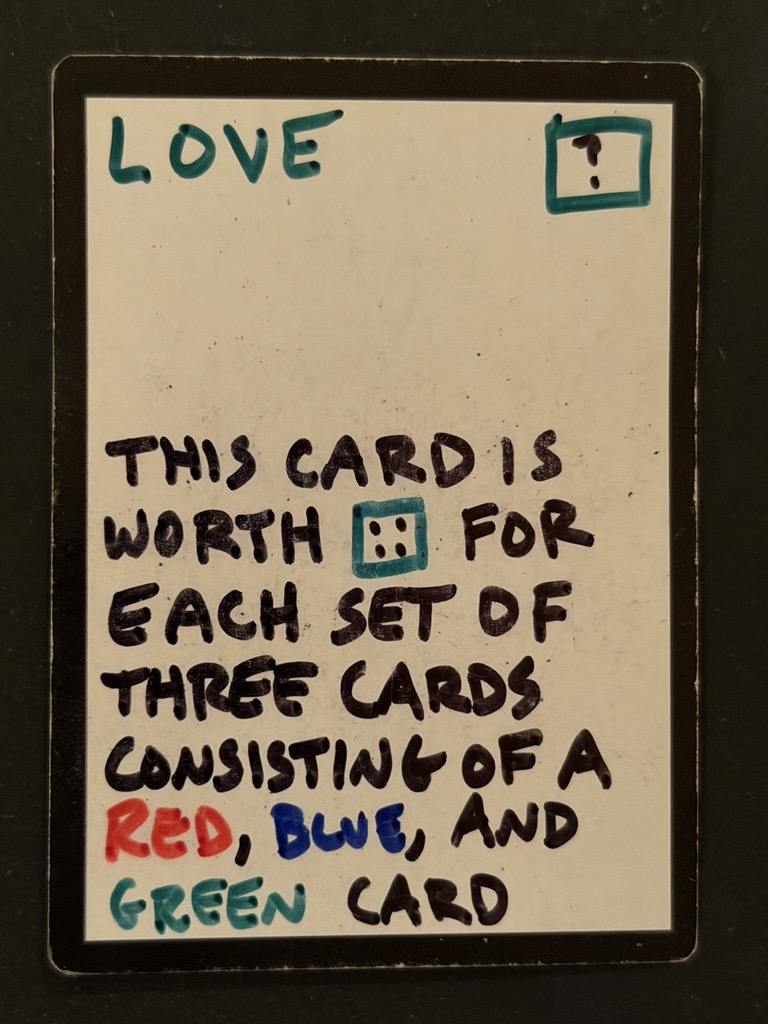
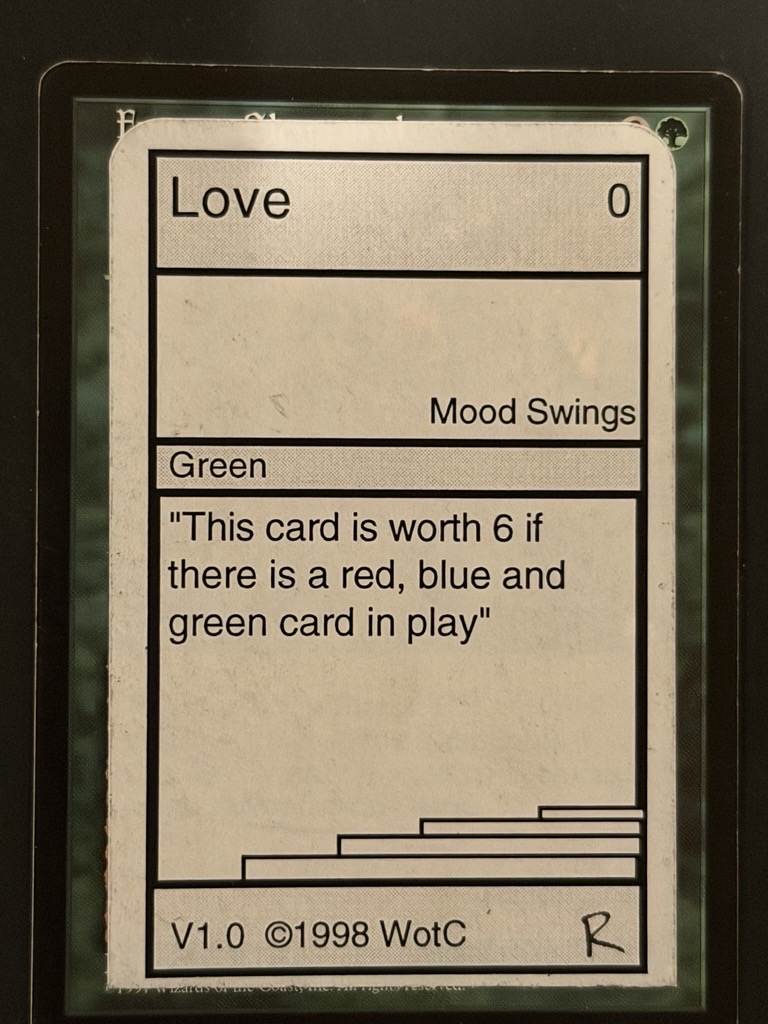
The core loop was straightforward: two to four players drew opening hands, played a card each round, and compared scores determined by dice icons printed on the cards. The player with the highest score won the round, and the first to win three rounds claimed the match. Early testing began with hand-drawn marker decks at conventions before expanding to printed test cards created inside internal databases.
Decades of Pitching and Rejection
Getting the game published proved to be a decades-long struggle. Over the years, upper management rejected the concept for a wide variety of business reasons. Early pitches failed because it didn't fit retail plans, while corporate shifts between Hasbro and Wizards of the Coast left the game stuck in a middle ground - deemed too complex for mass-market board game lines but not complex enough for traditional card game enthusiasts.
Later concerns centered around its sales model, as Mood Swings was designed to be fully playable right out of the box without requiring players to buy endless collectible packs. Rosewater continued to refine the formula in his spare time, running internal leagues, adjusting scoring mechanics, and conducting focus tests that featured photographs of company employees and their families.
Aligning with the Color Pie
When company focus shifted toward supporting core brands, Rosewater refocused the game to act as a direct gateway into collectible card games. He expanded the system from three colors to match the five-color pie, mapping emotional themes and mechanical actions to fit familiar identity rules. For instance, bounce effects were assigned to blue cards, while forced discard actions went to black.
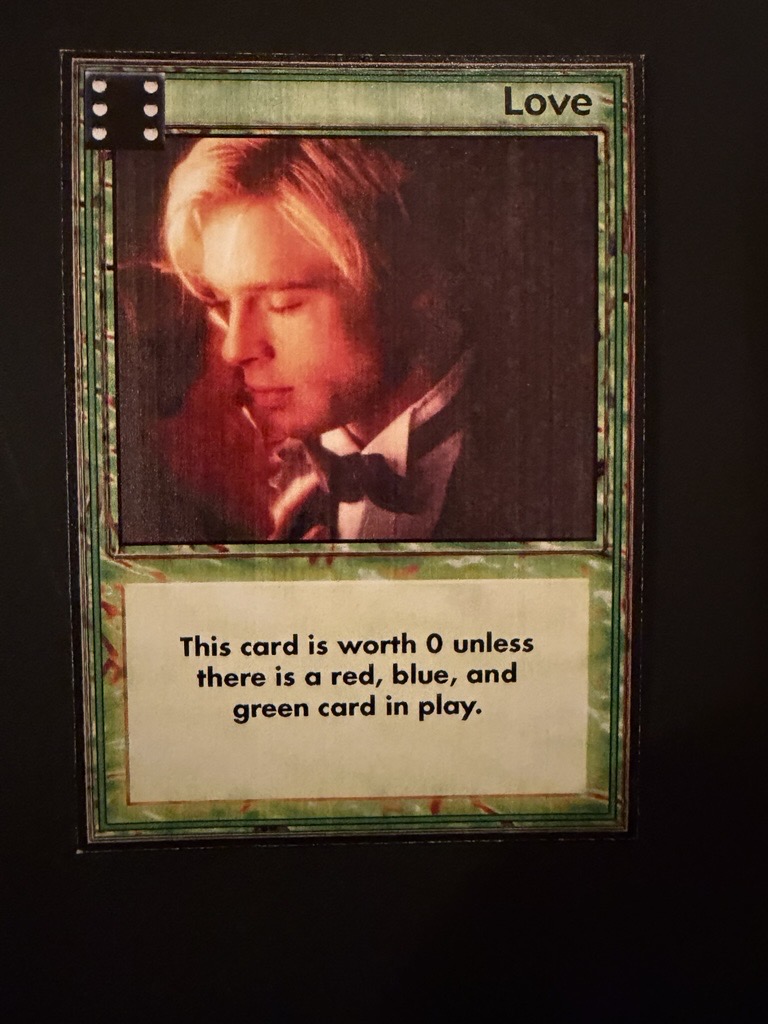
He also introduced card drawing mechanics after round losses and added a mythic rare tier to mirror modern deck-building layouts. To help present the project to internal teams, digital frames were created to showcase iconic art pieces, featuring prominent characters like Planeswalkers to bridge the visual aesthetic.
That decades-long perseverance finally paid off when the game was greenlit for a formal launch. The complete package releases on June 1 via Secret Lair, featuring a self-contained 45-card set.